Are Chemical Peels Safe for All Skin Types and Conditions?
Chemical Peels: Are They Safe for Your Skin Type?
Chemical peels are a popular skin treatment that offer powerful results for issues like acne, pigmentation, fine lines, and rough texture. But are they safe for all skin types? This guide from Lush MedSpa helps you understand the safety and effectiveness of chemical peels — and whether one may be right for your skin.
What Is a Chemical Peel?
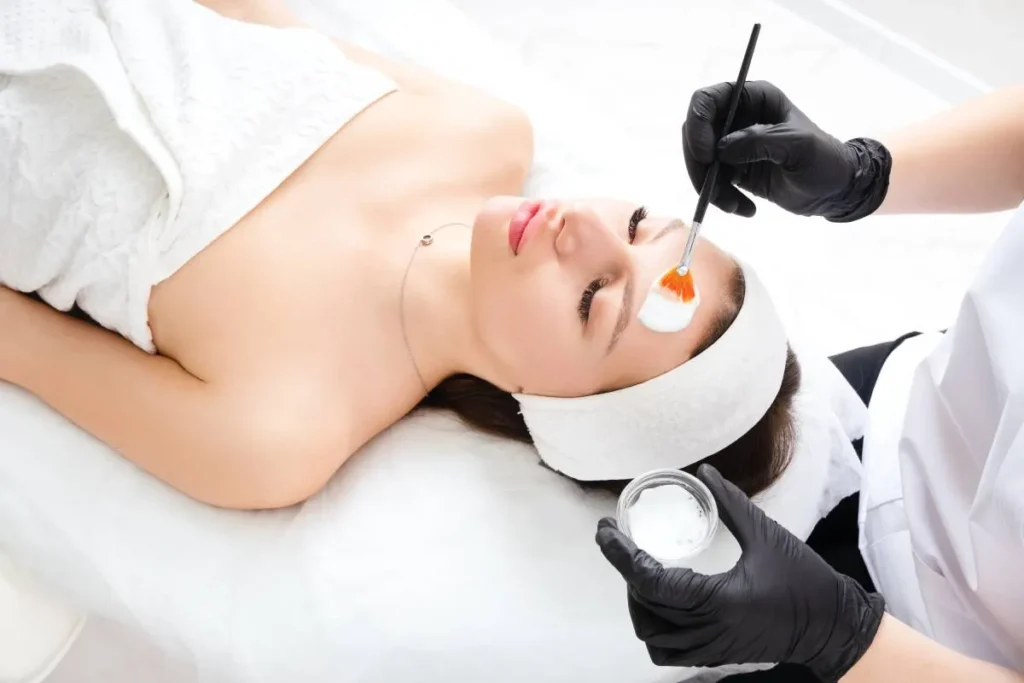
A chemical peel uses a solution to remove dead and damaged skin cells, revealing smoother, healthier skin beneath. Peels vary in strength and are designed to treat concerns like:
- Fine lines and wrinkles
- Uneven skin tone
- Sun damage
- Mild acne and acne scars
Types of Chemical Peels
- Superficial Peels: Use mild acids (like glycolic or lactic acid) to exfoliate the outer layer of skin. Great for mild imperfections and all skin types.
- Medium Peels: Use trichloroacetic acid (TCA) or stronger glycolic acid to reach deeper layers of skin. Treats pigmentation, texture issues, and deeper wrinkles.
- Deep Peels: Use phenol or high-strength TCA. Reserved for advanced skin aging or scarring, and require more downtime.
Are Chemical Peels Safe for Your Skin Type?
- Normal Skin: Typically safe with any peel type.
- Oily Skin: Responds well to peels; can help reduce oil production and breakouts.
- Dry Skin: Needs extra hydration and prep; mild peels preferred.
- Sensitive Skin: Only very light peels recommended under expert guidance.
- Combination Skin: May need targeted or blended approach.
- Mature Skin: Great candidates for medium or deep peels — results are often dramatic, but skin needs extra care.
Treating Specific Skin Conditions with Peels
• Acne
– Recommended Peel: Superficial (Glycolic, Salicylic)
– Notes: Helps reduce oil and inflammation
• Hyperpigmentation
– Recommended Peel: Medium (TCA)
– Notes: Fades dark spots
• Fine Lines
– Recommended Peel: Medium to Deep
– Notes: Boosts collagen production
• Rosacea
– Recommended Peel: Superficial only
– Notes: Must be done cautiously
• Eczema or Psoriasis
– Recommended Peel: Not recommended
– Notes: Risk of irritation
How to Prepare for a Chemical Peel
- Book a consultation to select the right peel for your skin.
- Disclose all medications and health history to your provider.
- Avoid sun exposure for at least one week before treatment.
- Stop using retinol and exfoliants 3–5 days before your peel.
What to Expect During and After
During: You may feel tingling or mild burning. A neutralizing solution stops the peel after a set time.
After: Skin may feel tight or peel for 3–7 days depending on the strength. Follow your provider’s aftercare instructions carefully.
Potential Side Effects
- Redness or sensitivity
- Flaking or peeling
- Temporary discoloration
- Scarring (rare with proper care)
- Infection (very rare)
Who Should Avoid Chemical Peels?
Peels may not be ideal if you:
- Are pregnant or breastfeeding
- Have active eczema, psoriasis, or rosacea
- Are prone to keloids or poor wound healing
- Have used Accutane within the last 6 months
Choosing a Provider for Chemical Peels in Tuscaloosa, AL
To stay safe and get the best results, choose a licensed provider who:
- Performs a thorough skin analysis
- Offers medical-grade peels
- Explains risks and realistic expectations
- Has experience with all skin tones and conditions
Conclusion
Chemical peels are safe and effective for many skin types — when done by the right professional. At Lush Medspa in Tuscaloosa, AL, we tailor every treatment to your unique skin and goals.
Ready to reveal clearer, brighter skin? Book a consultation today and let our expert team recommend the right peel for you.
Appointment Request
"*" indicates required fields